Top Tips To Maximize Recovery Times

Top Tips To Maximize Recovery Times

Here are all of our top tips to help you recover from your tough sessions as quickly as possible and keep injuries at bay.
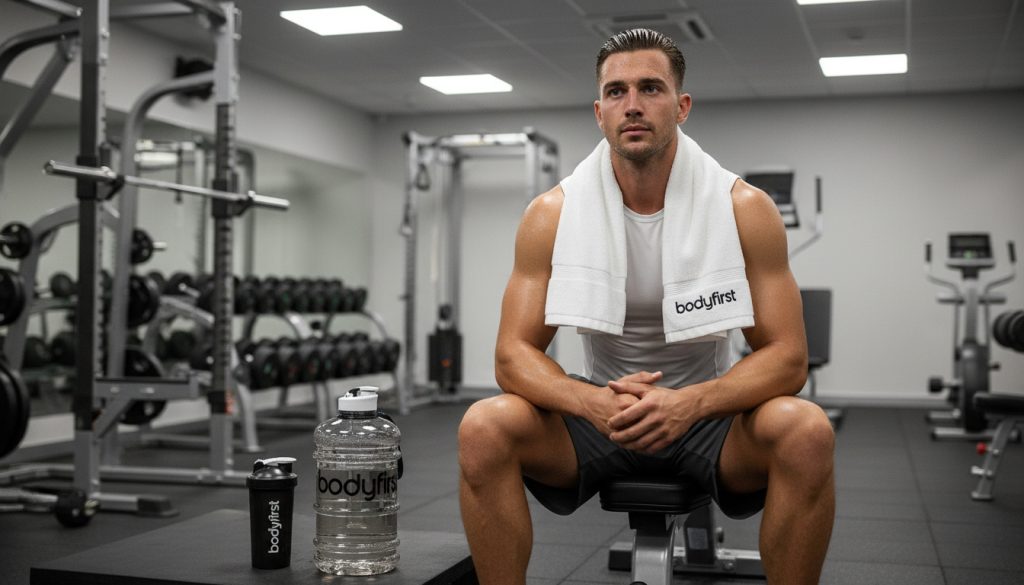
Man sitting in a gym post training

Recovery isn’t something you earn – it’s something you strategically support.
Whether your goal is strength, endurance, fat loss, or just consistency, how you recover determines how well you adapt to training and how often you can show up without burnout or injury.

At Bodyfirst, we believe recovery doesn’t have to be complicated – it just needs to be effective. Below are 10 science-backed ways to help your body recover smarter, not harder.


1. Prioritise Sleep – Your Most Potent Recovery Tool

Sleep isn’t a passive downtime – it’s when your body repairs muscle tissue, balances hormones, consolidates memory, and resets energy systems. During deep sleep, your body releases growth hormone, which plays a major role in muscle repair and recovery. Adults generally need 7–9 hours per night for optimal recovery.

Bodyfirst tip:
Try going to bed and waking up at the same time daily, even on weekends – consistency helps regulate your circadian rhythm.


2. Feed the Repair Process With Protein

Protein isn’t just for muscle growth – it’s essential for muscle repair, immune function, enzyme production, and satiety. After training, your muscles are in a state of increased protein turnover. Consuming enough protein helps your body rebuild and adapt stronger.

Practical Bodyfirst advice:
Aim for ~25–35g of quality protein at each major meal, and consider a post-training source within a couple of hours of exercise.


3. Hydration Helps Everything Work Better

Water is more than thirst quenching – it’s vital for nutrient transport, joint lubrication, thermoregulation, and cellular function. Even mild dehydration (~2%) can impair cognition, increase fatigue, and slow recovery.

Bodyfirst reminder:
Hydrate consistently throughout the day, especially around training. Electrolytes can be helpful if you’re training hard or sweating a lot.
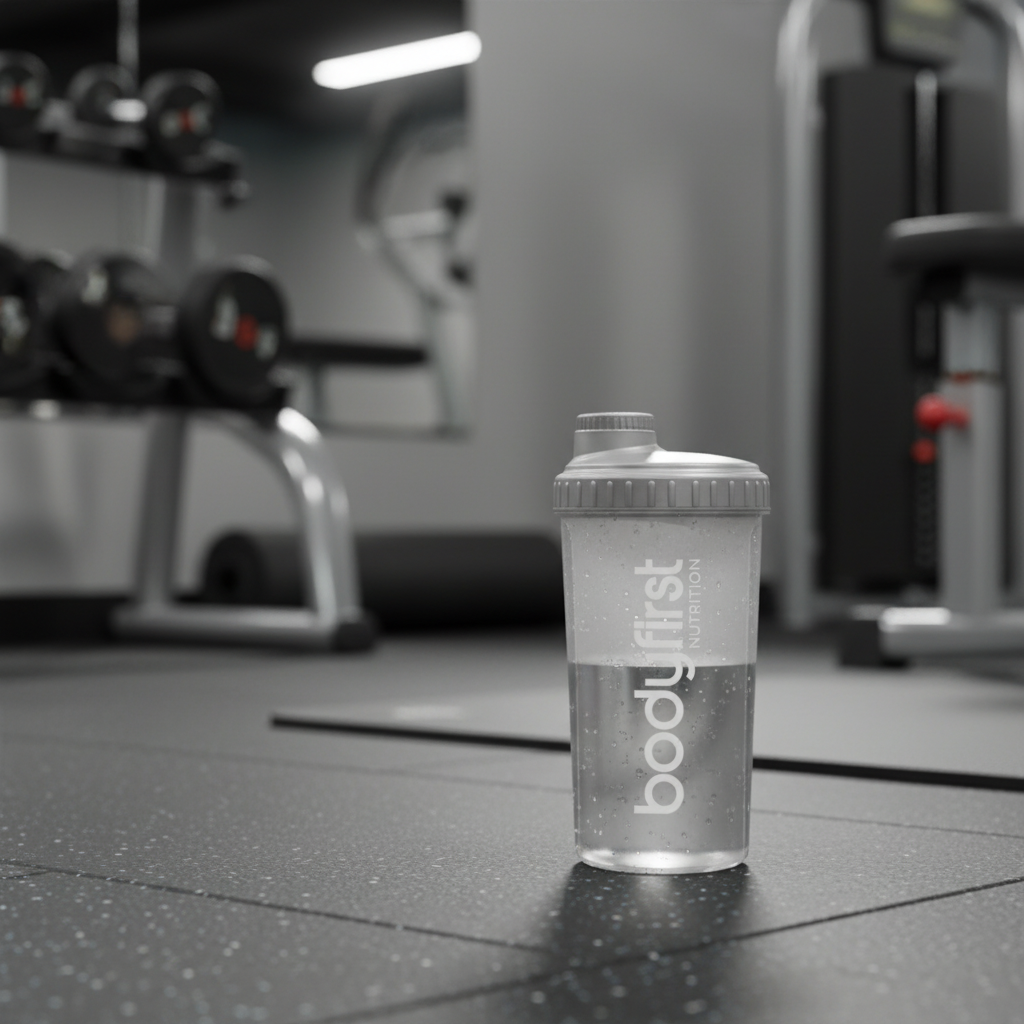
Refillable water bottle on gym floor


4. Warm-Up and Cool-Down — Don’t Skip Them

A smart warm-up prepares your nervous system and muscles for work, improving performance and reducing injury risk. A gentle cool-down helps return your heart rate to baseline and may aid metabolic waste removal after training. 5 – 7 minutes of dynamic movements (e.g., leg swings, hip openers, light cardio).

Easy cool-down:
3–5 minutes of slow walking or gentle mobility moves.


5. Strength Training Builds a Stronger Recovery Foundation

Resistance training isn’t just for muscles – it strengthens tendons, connective tissue, and your nervous system’s ability to handle stress. Stronger bodies recover faster and handle higher loads over time.

Bodyfirst note:
Even one or two consistent strength sessions per week support long-term recovery capacity.


6. Rest Days Are Progress Days Too

Rest is not “doing nothing” – it’s a strategic part of your training cycle. Without adequate rest, your performance, immune function, and motivation decline.

Instead of completely switching off, consider active recovery – a walk, light cycling, or mobility session – to increase circulation without taxing your body.
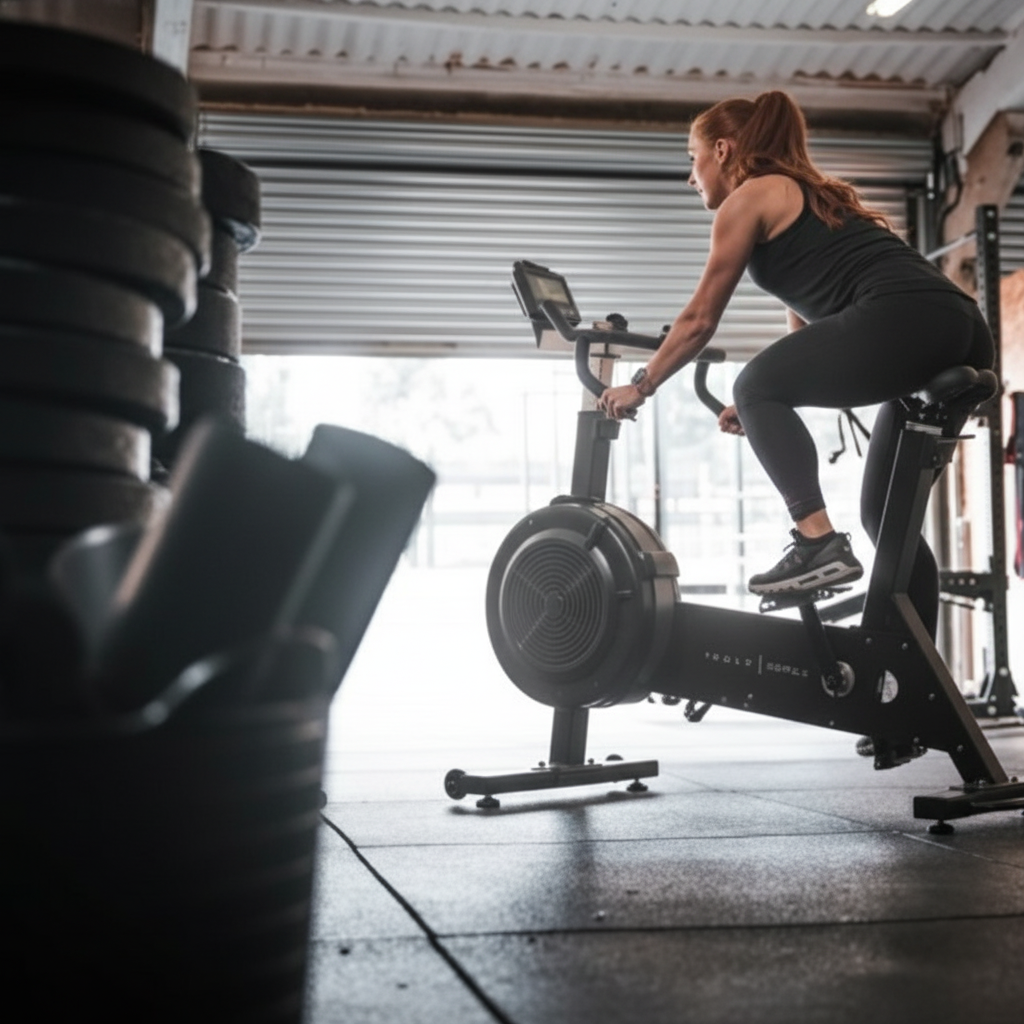
Woman on a bike erg light cycling


7. Deload Weeks Prevent Plateau and Burnout

Training intensely week after week eventually leads to fatigue and stagnation. Planned lighter weeks – or “deloads” – help your nervous system and muscles recuperate, allowing you to train harder after recovery, not instead of it.

Bodyfirst approach:
Every 3 – 6 weeks, intentionally reduce volume or intensity to support long-term progress.


8. Everyday Movement Boosts Recovery

Movement doesn’t have to be intense to be beneficial. Light daily activity – a walk after dinner, stairs instead of elevator – increases blood flow and reduces stiffness.

Bodyfirst tip:
Consistency beats intensity — and even small movement habits add up over time.


9. Set Up Your Environment for Recovery

Your recovery environment matters as much as your workout environment. This includes:

  • A cool, dark, quiet bedroom

  • Quality mattress and pillow

  • Reduced evening screen time

  • Structured wind-down routine

Quality sleep hygiene supports actual physiological recovery rather than just rest time.


10. Listen to Your Body (It Actually Knows)

Perhaps the most underrated tip: your own feedback matters. Soreness, persistent fatigue, reduced performance, and low motivation are signs you might need to adjust volume or increase recovery. Learning to interpret those cues makes you smarter, not slower.


Recovery Is Not Passive — It’s Strategic

Recovery is where adaptation happens, and where true progress is built. The best training program in the world fails if your recovery doesn’t support it.

woman lying in bed after a good nights sleep

At Bodyfirst, recovery isn’t an add-on. It’s a practical, sustainable part of your fitness journey – one that lets you show up tomorrow stronger than you did today.

Benefits of SaltStick Electrolytes

SaltStick Electrolyte products are specially designed to help athletes, fitness enthusiasts, and active individuals perform at their best by replenishing essential electrolytes lost through sweating. Electrolytes are critical minerals that help regulate fluid balance, muscle and nerve function, and energy production. When we exercise or engage in physical activity, we lose electrolytes through sweat, leading to dehydration, muscle cramps, fatigue, and poor performance. That’s where SaltStick comes in.

SaltStick Electrolyte products are a convenient and effective way to replenish lost electrolytes during and after exercise. Here are some of the benefits of using SaltStick products:

  1. Helps Maintain Electrolyte Balance: Electrolytes are essential minerals that are responsible for various bodily functions, including regulating fluid balance, nerve and muscle function, and maintaining proper pH levels. When you sweat, you lose electrolytes, which can lead to dehydration and a decrease in performance. SaltStick electrolyte products contain a balanced amount of sodium, potassium, magnesium, and calcium, which can help you maintain electrolyte balance during physical activity.
  2. Improved Performance: By replenishing lost electrolytes, SaltStick helps maintain proper fluid balance, which is essential for optimal performance. When our electrolyte levels are low, our muscles can cramp, and we may experience fatigue. Using SaltStick Electrolyte Drink Mix or Fastchews can help prevent these issues and allow athletes to perform at their best.
  3. Increased Endurance: SaltStick Electrolytes can also help increase endurance by reducing the risk of dehydration and cramping. By maintaining proper fluid balance and electrolyte levels, athletes can push themselves harder and longer without hitting the wall.
  4. Better Recovery: Replenishing electrolytes after exercise is just as important as during exercise. SaltStick can help speed up recovery by replacing lost minerals and fluids, reducing muscle soreness, and promoting cellular hydration.
  5. Easy to Use: SaltStick Electrolytes are easy to use and convenient to carry around. Fastchews are packaged in a resealable pouch that can be taken anywhere. They can be taken with or without water, making them perfect for on-the-go hydration.
  6. Safe and Effective: SaltStick are made with high-quality, pharmaceutical-grade ingredients and are safe for use by athletes of all levels. They are also vegan, gluten-free, and contain no artificial colours or flavours, making them a healthier option than many sports drinks or gels.

In conclusion, SaltStick Electrolyte products are an excellent way to maintain optimal performance, endurance, and recovery during and after exercise. With their easy-to-use and convenient packaging, high-quality ingredients, and proven effectiveness, SaltStick is an excellent choice for any athlete looking to take their training to the next level

Which Protein Powder Should You Choose?


Protein powders are probably the first thing that spring to mind when you think of sports nutrition supplements. They’re no longer considered to be exclusively for bodybuilders and elite athletes — in fact, protein blends are quickly becoming a cupboard essential for all kinds of lifestyles and body goals.

So why are so many people taking protein? And how do you even know where to start with all different types available out there? Read on to have all your protein questions answered.

What Is Protein?

Proteins are molecules made up of amino acids, which are the body’s bricks and mortar for rebuilding muscle, replicating DNA, and catalysing metabolic reactions. The human body can biosynthesise some amino acids, but not all of them, so you need protein in your diet to get the rest.

Like carbohydrates and fat, protein is classed as a macronutrient, which means it’s required in large amounts in your diet for your body to be able to function properly.

What Are The Benefits Of Protein?

Protein is involved in many vital processes within the body as well as being a valuable support to your fitness goals. It’s used to make enzymes and hormones, is an important component of every cell in the body, plus it’s a building block of muscle, cartilage, skin, hair and nails.

In regards to general wellbeing and fitness, here are some of the ways in which this powerful nutrient can help you out:

Muscle Building


Using data from 49 studies spanning over the last 23 years, a recent review in the British Journal of Sports Medicine concluded that dietary protein supplementation optimises both muscle mass and strength during resistance training.

Here’s how it works:

  • Resistance training stimulates two actions in the muscles simultaneously — catabolism (tissue breakdown) and anabolism (tissue growth).

  • The factor that affects which one is favoured in the body the most is called ‘net protein balance’. A positive net protein balance favours anabolism, and a negative one favours catabolism.

  • Consumption of adequate dietary protein puts the body into positive net protein balance, and so enhances muscle growth while resistance training

It’s not just muscle mass and strength that protein consumption improves, either. A study in the Journal of the International Society of Sports Nutrition found that protein supplementation reduces muscle fatigue, too —meaning you could blast through a week of intense training if you stay topped up throughout the day.

Increasing your muscle mass and strength isn’t just great for gym selfies and looking good by the pool though — it’s key for good health as you grow older. ‘Sarcopenia’ is the degenerative loss of muscle mass in aging individuals, causing frailty and loss of muscle function. It’s incredibly common, but entirely preventable with proper nutrition and adequate resistance exercise.

Weight Management


Higher protein diets have also demonstrated the ability to help with weight management. Of course, a healthy, balanced diet is the key to keeping the extra pounds at bay, but something about this mighty macronutrient seems to be helping people to lose weight, and keep it off. Here’s how:

Thermogenesis


Thermogenesis is the natural increase in the energy your body uses after eating. Protein causes a higher rate of dietary thermogenesis than other nutrients — research in the Nutrition & Metabolism journal explains that eating protein can actually allow the body to blast through up to 20-30% more calories than carbohydrates or fat.

Satiety


Simply put, protein helps you stay fuller for longer — reducing the chances of you ‘accidentally’ grazing your way through a whole packet of biscuits and share bag of Doritos in between your meals. Based on a visual analogue scale, which measures perceived appetite, people have been found to be fuller after a 60% vs. a 19% protein meal.

Metabolism


Muscles are metabolically active, which means that they require energy to simply exist. So, the more muscle tissue you have, the more calories your body will burn every day.

It is worth highlighting though, that if you’re looking to go down a belt notch or two, eating a higher protein diet doesn’t mean simply eating all the protein you can manage without any consequences. You do still have to be mindful of the energy you’re consuming vs. the energy you expend.

Preserving Muscle


If you’re trying to lose weight through dieting and are restricting your energy intake, it’s still really important that you maintain an adequate intake of protein — otherwise your body will be burning muscle mass for energy, as well as fat. Which is less than ideal for that sculpted physique you had in mind…   

How Much Protein Do I Need?

It’s recommended that the baseline requirements for adults is 0.75g of dietary protein per kilogram of bodyweight per day. That’s around 55g per day for the average sedentary man and 45g per day for the average sedentary woman (equivalent to a sirloin steak).

However, for anyone looking to muscle-up, sculpt their bodies and improve athletic performance —this amount increases.

To maximise muscle growth, research from the Journal of Sports Sciences recommends consumption of between:

  • 1.3-1.8g per kilogram of bodyweight per day (the amount between these two points depends on training status) and;

  • Up to 1.8-2g per kilogram of bodyweight per day during periods of energy restriction to prevent muscle loss – more than double the government recommendations.

You might be thinking: can’t I just get all my protein from food? And the answer is yes, you can.

Protein supplements aren’t intended as a substitute for your everyday meals, they’re there to work alongside a healthy, balanced diet as a convenient way to up your protein intake, at a much lower cost.

For instance, your average supermarket chicken breast will set you back around €1.50 and contains 24g of protein per 100g, while the average scoop of whey protein powder costs around €0.60c and scores around 80g of protein per 100g.

When you see the figures, it’s really a no-brainer for individuals looking to boost their diet and achieve their fitness goals. Plus, it takes out the time and effort of meal prep and cooking!

How To Choose A Protein Powder

After laying out all those benefits on the table, you’re probably keen to get your hands on some of this must-have supplement yourself — but where to begin?

Which Protein Should I Use?

There are so many protein powders out there — you should pick one that’s best suited to your personal goals. Whether you’re looking to bulk-up, build muscle, lose weight, or just get yourself into a healthier shape, there’s a blend that’ll be just right for you.

Here’s a rundown of the most commonly used protein powders available:

Whey Protein

Whey is an all-natural by-product of milk, and whey proteins are isolated from this during filtration. Whey protein is the most commonly used protein supplement due to its excellent digestibility, amino acid profile, and absorption rate.

Whey Isolate

Whey protein isolate comes from exactly the same source, only it’s been expertly filtered to remove most of the fat and carbohydrates that are naturally present in whey concentrates — making this ideal if you’re watching your calorie intake.

Casein

Casein is derived from milk and it has a much slower absorption rate than whey protein. This means that it takes longer to be completely digested and used by the body, making it good for providing your muscles with a sustained supply of protein between meals or even while you sleep.

Weight Gainer Blends

Weight gainer blends are perfect for individuals trying to increase size and mass. Your body can only do this if it’s in calorie surplus, which is when you’re consuming more calories than you burn, and this can be difficult and expensive through food alone.

Vegan

The demand for plant-based protein powders has increased dramatically with the ever-increasing population of vegans. Supplementation is perhaps even more important in their case too, as they aren’t getting any protein from meat or animal products.

When Should I Take Protein?

As protein powders are so convenient, you can pretty much have a shake wherever you are and whatever you’re doing with your day.

If you’re just looking to generally increase your protein intake, then take your protein whenever works best for you — some people like to add protein powders to porridge/cereals in the morning, or make up shakes to have on-the-go.

It’s especially important for your muscles to have a supply of protein after you’ve exerted them through exercise though, as this will help with muscle recovery and growth. Some fast-absorbing blends, like whey protein are therefore best consumed 30-60 minutes before or after a workout, to maximise intake.

Slow-releasing blends, like casein, take longer to be digested and so provide a more sustained supply of protein to your muscles over time. This makes them a great choice to keep you full between meals, or just before bed so that you have a protein supply throughout the night.

Take Home Message

The power of protein is pretty clear. Whether you’re looking for gains, want to drop a few dress sizes, or just want to set yourself up for a healthy future, supplementing your diet with the right protein powder can really support and fuel your ambitions.

Source: Jennifer Blow has a Bachelor’s of Science in Nutritional Science and a Master’s of Science by Research in Nutrition, and now specialises in the use of sports supplements for health and fitness, underpinned by evidence-based research

Select the fields to be shown. Others will be hidden. Drag and drop to rearrange the order.
  • Image
  • SKU
  • Rating
  • Price
  • Stock
  • Availability
  • Add to cart
  • Description
  • Content
  • Weight
  • Dimensions
  • Additional information
Click outside to hide the comparison bar
Compare
Shopping cart close