The Busy Person’s Guide to Protein This Christmas

The Busy Person’s Guide to Protein This Christmas

Christmas is busy.
Between work, shopping, social plans and late nights, nutrition often becomes an afterthought — and protein is usually the first thing to slip.

That doesn’t mean you’re doing anything wrong.
It just means you need a simpler approach.

A gym backpack with gym essentials and a bodyfirst shaker and per4m protein bar

Here’s how to stay topped up on protein over Christmas without tracking, stressing or skipping the fun.


Why Protein Matters More Than Ever Right Now

Protein helps with:

  • Muscle recovery

  • Appetite control

  • Energy levels

  • Staying consistent when routines are off

When days are unpredictable, protein acts like an anchor.
You don’t need to be perfect — you just need to be intentional.


You Don’t Need to “Hit a Number” Every Day

At this time of year, obsessing over exact targets can backfire.

Instead, focus on this simple rule:

  • Include a solid protein source at most meals and snacks.

That’s it.

If you normally aim for 25–35g per meal, great — but don’t stress if some days look different. Consistency over the week matters far more than one day.


Easy Ways to Add Protein Without Extra Effort

1. Start Your Day With Protein

Breakfast sets the tone for the day.

Easy options:

  • Eggs with toast or wraps

  • Greek yoghurt with fruit

  • Protein oats

  • A ready-to-go protein shake

Even a small protein boost in the morning makes a difference later.

Toast with eggs

A Simple Christmas Protein Cheat Sheet

When days get messy, use this as a rough guide:

  • Breakfast: eggs, yoghurt, oats, shake

  • Lunch: chicken, turkey, tuna, tofu, protein wrap

  • Snack: bar, pudding, shake

  • Dinner: meat, fish, plant protein + carbs

  • Evening: yoghurt or protein dessert

No tracking. No stress. Just awareness.


2. Keep Portable Protein on Hand

Busy days call for grab-and-go options.

Keep these nearby:

  • Protein bars

  • Protein puddings

  • Ready-made shakes

  • Jerky or high-protein snacks

Having protein available is often the difference between staying on track and skipping it altogether.


3. Don’t Skip Protein Just Because You’re Eating Out

Christmas meals don’t need to be “perfect” — just balanced enough.

When eating out:

  • Choose a protein-forward main where possible

  • Add a side if needed

  • Don’t overthink the rest

One good protein-based meal can carry you through a busy day.

Casual restaurant plate with a visible protein source


4. Protein at Dinner Isn’t Enough

A common mistake is saving protein for the evening.

If dinner is your only decent protein hit:

  • Energy dips

  • Snacking increases

  • Hunger spikes late at night

Spread protein across the day — even in smaller amounts.


5. Think “Protein First”, Not “Diet First”

December isn’t the time for restriction.

It is a great time to:

  • Support recovery

  • Stay energised

  • Avoid the January crash

Protein helps you do that without taking anything away.


The Bodyfirst Approach to Christmas Nutrition

At Bodyfirst, we’re not about extremes — especially at Christmas.

We’re about:

  • Real food

  • Real life

  • Sustainable habits that carry into January

If you can keep protein simple and consistent over the next week, you’re already doing more than enough.

Common Protein Mistakes at Christmas

  • Skipping protein earlier in the day

  • Saving it all for dinner

  • Avoiding protein because “it’s Christmas”

  • Overthinking choices instead of keeping it simple

If you recognise yourself here — that’s normal. This time of year is about managing, not maximising.


The Bottom Line

You don’t need:
– Perfect meals
– Tracking apps
– “Starting again” in January

You do need:
– Protein most days
– Simple choices
– A bit of flexibility

Christmas nutrition isn’t about control — it’s about support.
Protein is one of the easiest ways to support your body when everything else is busy.

Keep it simple, keep it flexible, and trust that consistency over the week is what matters most.

That’s how progress survives Christmas — and shows up stronger in the new year.

Man with a gym bag walking along the clontarf coast at dusk

Why Winter Is the Perfect Time to Ease Up in Training

The Perfect Time to Ease Up: Why Cold Weather Training Calls for a Different Gear

Most people think winter is the season to push harder — new year goals, resolutions, gym challenges.
But your body often wants the opposite.

Winter can actually be the best time to slow down, reset, rebuild habits, and protect your long-term performance.
Here’s why easing up — not burning out — is the smartest game plan.

Man stretching outdoors in the winter sun


1. Your Recovery Systems Naturally Work Harder in Winter

Shorter days, cold weather, and disrupted sleep cycles take a toll on your energy and hormones.
Instead of pushing through fatigue, winter offers a golden chance to:

  • Improve sleep routines

  • Build slower strength / technique

  • Recover from niggles

  • Deload mentally and physically

Think of it as a maintenance block, not a setback.


2. Your Body Responds Better to Training If You Cycle Intensity

Athletes don’t push 365 days a year — they train in seasons.

Winter is great for:

  • Foundation strength
  • Technique refinement
  • Aerobic capacity
  • Mobility and stability

Dialing back intensity now often leads to greater gains when spring hits.


3. Winter Slowdowns Prevent Burnout and Injury

If you train hard all summer, race season, and autumn…your body needs a shift.

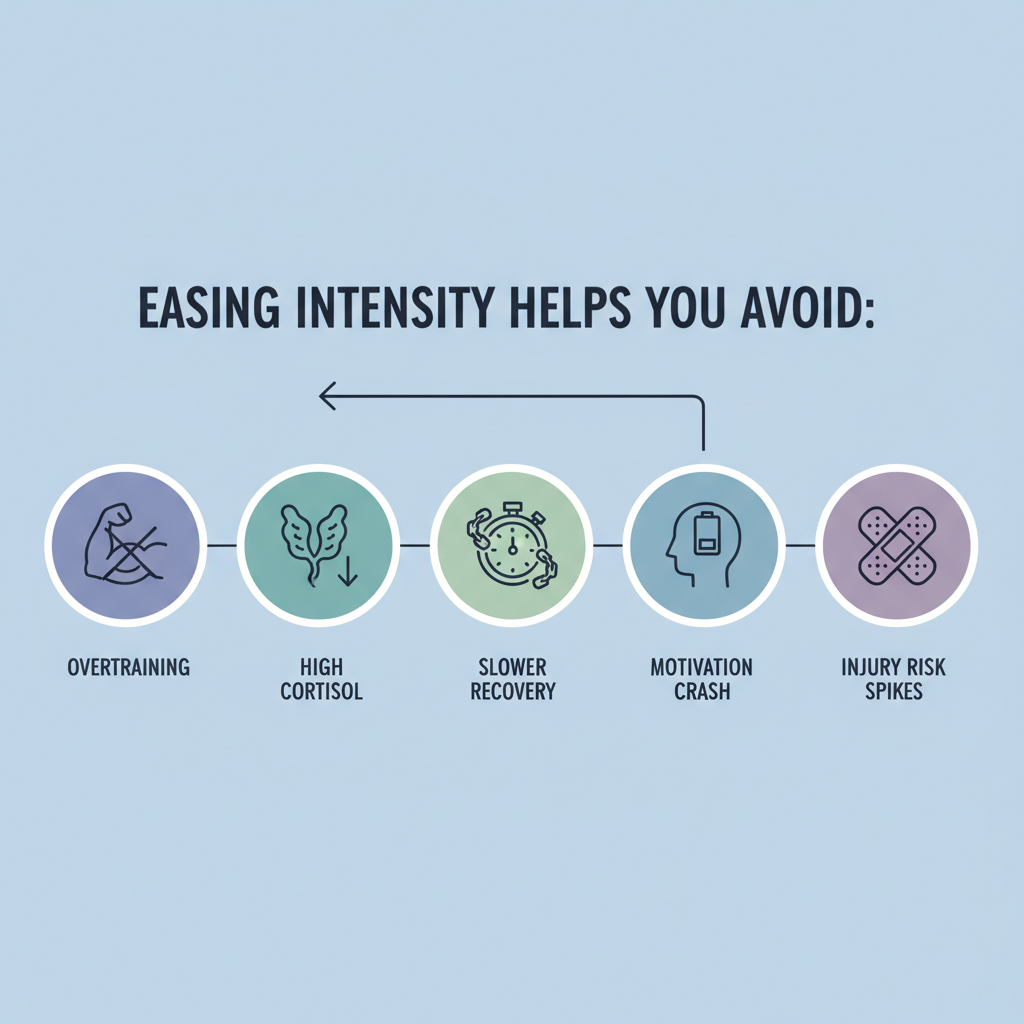
Easing intensity helps you avoid:

  • Overtraining

  • High cortisol

  • Slower recovery

  • Motivation crash

  • Injury risk spikes

Sometimes the best move in winter is simply…maintenance + movement over maxing out.

Infograph on the benefits of easing training intensity


4. It’s the Perfect Time to Focus on What You Ignore the Rest of the Year

Winter is ideal for:

  • Strengthening weak areas

  • Fixing movement patterns

  • Improving posture & mobility

  • Working on conditioning foundations

These “unsexy” pieces often unlock better performance later.


5. It Gives You Space to Work on Nutrition Habits

When training volume is lower, you can slow down and:

  • Learn your hunger cues

  • Improve meal prep

  • Dial in protein intake

  • Experiment with creatine or electrolytes

  • Build sustainable nutrition practices

Less chaos = more consistency, which is where long-term results actually happen.


6. “Ease Up” Doesn’t Mean “Do Less”

It means do differently.

Here’s how smart winter training looks:

1. Build Aerobic Capacity With Low-Intensity Work

Zone 2 walks, slow runs, light circuits, mobility flows —
these create endurance without overloading systems under stress.

Pair that effort with a protein shake or protein snack post-session — protein supports adaptation and recovery when training stress is low.

2. Introduce Cross-Training

Your winter toolkit could include:

  • indoor cycling
  • rowing
  • swimming
  • indoor ski
  • kettlebells

Woman training on a concept 2 ski erg

Each disciplines the body differently — great for injury prevention and movement variety.

And yes… this is your sign to keep a protein bar in your gym bag or energy drink for easy, low-effort fuel.

3. Focus on Consistency, Not Hero Days

Progress over perfection.
Momentum over intensity.

A 15-minute movement session counts.
A walk counts.
Stretching counts.

This is where most people lose motivation — because they think “small doesn’t matter.”

Small is everything.


7. Winter Sets You Up for a Spring Surge

Those athletes who:

  • Sleep more

  • Recover better

  • Eat consistently

  • Reduce stress

  • Move without pressure

…hit March and April in much better shape than those who tried to grind through depletion.

Think of winter as your pre-season — not your off-season.


How to “Ease Up” Without Falling Off the Wagon

Here are Bodyfirst’s simple winter shifts:

  • 2–3 strength sessions instead of 5–6
  • Swap one HIIT session for mobility or walking
  • Prioritise sleep
  • Track recovery as much as training
  • Keep creatine, protein, and electrolytes in routine
  • Focus on feeling good, not shredding

Winter is the season for health + habits, not punishment.


Final Thought

Easing up doesn’t mean slacking off — it means training smarter according to your physiology.

Winter is for rebuilding, refreshing, and preparing your body for another year of strength.

Slow down now.
Surge later.
Your body will thank you.

Fuel your best with Bodyfirst Nutrition.

Woman stretching in the gym

Movember: Grow it for a good cause

Grow It For A Good Cause: Why Movember Matters In Ireland

Movember in Ireland: Why It Matters and How to Get Involved

Every November, thousands of men across Ireland grow moustaches for a cause that truly matters. It’s not just a fun challenge — it’s Movember, the global movement changing the face of men’s health.

At Bodyfirst Nutrition, we’re all about feeling good, fuelling well, and looking after yourself — and that includes your mental and physical wellbeing. So this month, we’re joining the movement to raise awareness for men’s health, one moustache at a time.

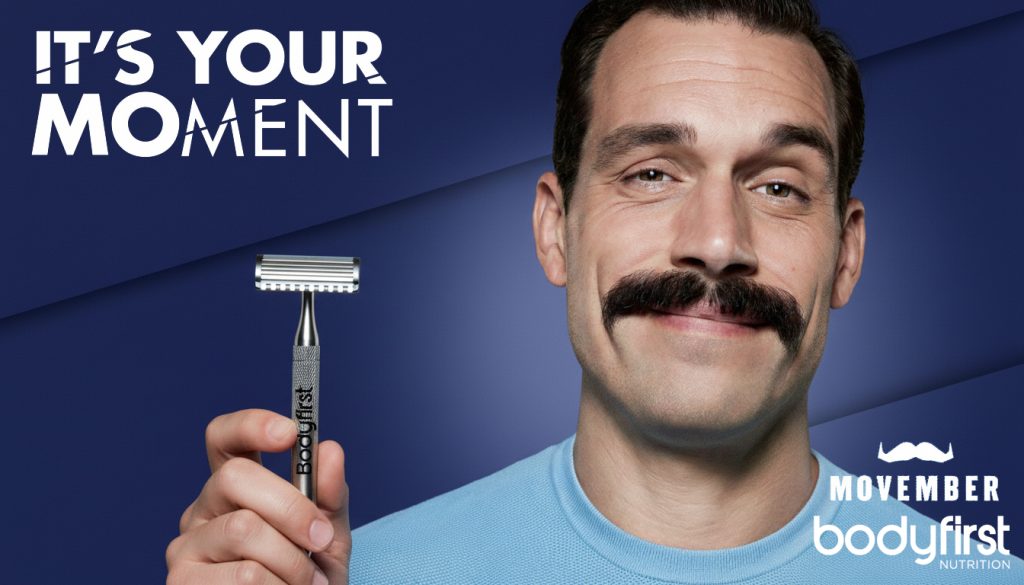
Bodyfirst x Movember


The Story Behind Movember

Movember started in 2003 when two friends in Australia decided to bring the moustache back — but with meaning.
What began as a fun idea quickly evolved into a global movement supporting men’s mental health, suicide prevention, prostate cancer, and testicular cancer.

Today, Movember is the leading charity dedicated to men’s health, funding projects in more than 20 countries — including Ireland.


Why Movember Matters Here in Ireland

The stats speak for themselves — and they hit close to home:

  • 1 in 8 Irish men will be diagnosed with prostate cancer in their lifetime.

  • Suicide remains the leading cause of death among Irish men under 50.

  • Many men still find it hard to open up about their health or emotions.

Movember isn’t just about growing a moustache — it’s about starting conversations that can save lives.


The Key Rules of Movember

Thinking of growing a Mo? Here are the official Movember rules — simple, fun, and totally doable:

1. Start Clean-Shaven on November 1st
Begin the month with a clean slate (and a clean face).

2. Grow & Groom with Pride
Let your moustache flourish, but keep it neat — no beards, no goatees, just Mo.

3. Keep It Real
No fake moustaches — it’s about genuine growth and genuine impact.

4. Talk About It
Your moustache is a conversation starter. Use it to spread awareness about men’s health.

5. Raise Funds & Awareness
Sign up and start a fundraising page at ie.movember.com. Every euro goes toward vital men’s health projects.

6. Have Fun & Celebrate
Movember is about community, not competition. Share the laughs, selfies, and support.

The Movember Construction Challenge | The construction sector support men's  health - Movember


How to Get Involved

There’s more than one way to make a difference — and you don’t need facial hair to join in!

  • Grow a Mo:
    Shave down on November 1st and let your moustache do the talking for 30 days.
  • Move for Movember:
    Run, walk, or train for 60 km over the month — representing the 60 men we lose globally every hour to suicide.
  • Host a Mo-Ment:
    Get your gym buddies or workmates together for a fundraising workout, walk, or coffee morning.

Donate or Support Someone Fundraising:
You can get involved or donate directly at ie.movember.com


Our Challenge to You

This month, challenge yourself — in or out of the gym.
Lift heavier. Run farther. Check in with a mate.
And if you’re rocking a moustache, tag us @bodyfirstnutrition — we’ll share your progress!


Fuel for Your Mo

Keep your training strong through Movember with:

  • Bodyfirst Whey Protein – your post-workout recovery essential

  • Creatine Monohydrate – for strength and power

  • Hydration & Electrolytes – stay sharp through every session

Shop the full range at bodyfirst.ie and keep your energy up while you raise awareness.


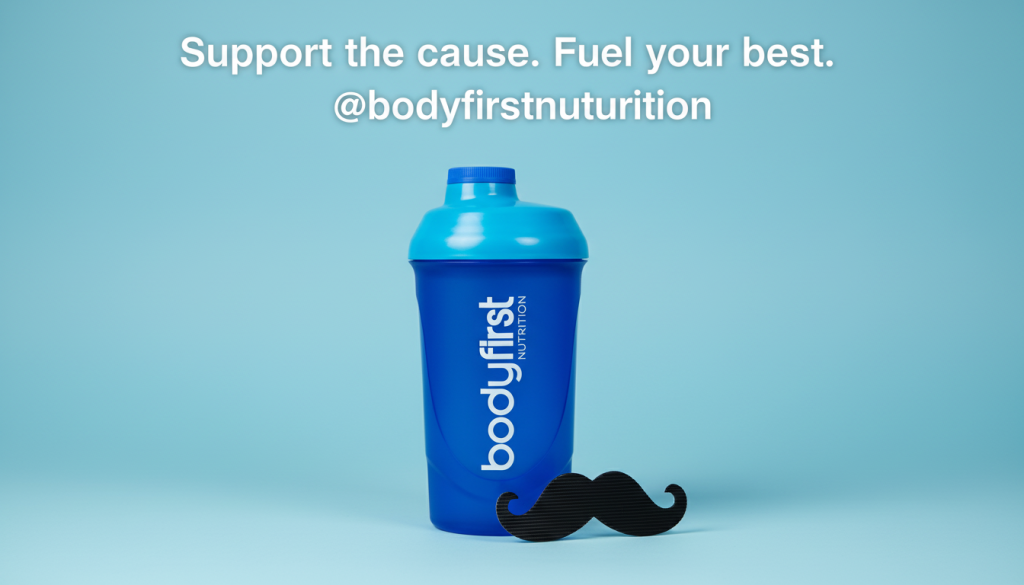
Bodyfirst shaker with a moustache prop to support Movember

Remember the Message

Movember isn’t just about the moustache — it’s about men’s mental and physical health.
Let’s open up more, support each other, and make sure the conversation doesn’t stop at the end of the month.

Grow it. Show it. Talk about it.
Fuel your best this Movember with Bodyfirst Nutrition.

-> Join or donate at ie.movember.com

Top tips to stay motivated and accountable for training

Top Tips To Stay Motivated And Accountable For Training

Top Tips To Stay Motivated And Accountable For Training

We all have those days when the couch looks more tempting than the gym. Don’t sweat it — motivation isn’t constant, but consistency is what counts.
Here’s how to stay on track, build better habits, and keep your fire burning (even when the pre-workout hasn’t kicked in yet)

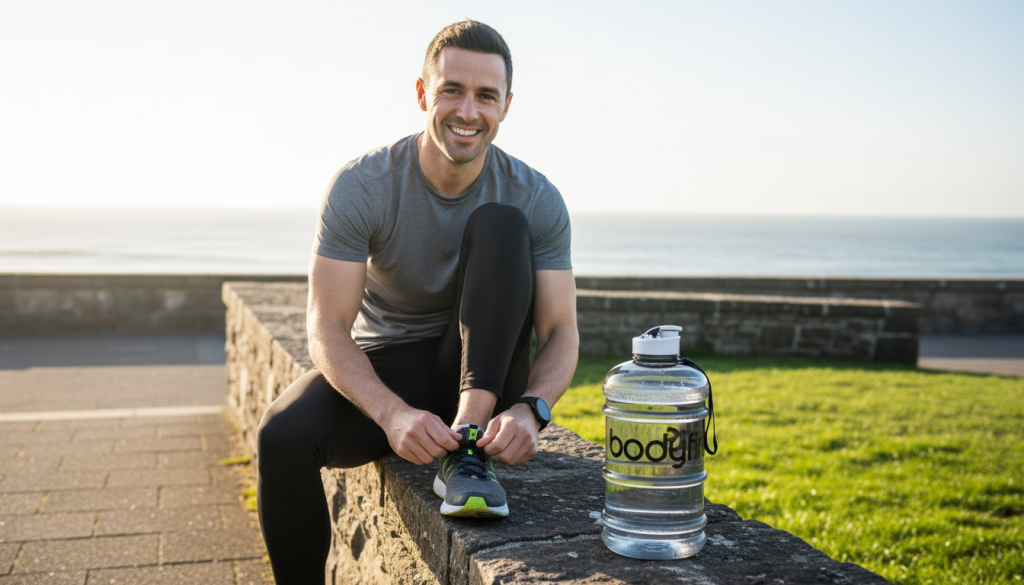
A smiling man getting ready for a run


1. Set a Clear Goal

No vague “get fitter” talk here. Go specific:

  • “I’ll train for a 10 km in 12 weeks.”

  • “I’ll hit a 3×10 kg squat in 8 weeks.”

To pick your goal, you should make sure it’s SMART. That means it should be:

  • Specific (e.g. Train for a Hyrox race)

  • Measurable (e.g. Booking yourself into a race in 12 weeks time, or planning to time yourself)

  • Achievable (e.g. Not jumping straight from a 5k to training for an ultramarathon)

  • Relevant (e.g. If you’re looking to build your endurance, do not follow a 5k plan)

  • Time-based (e.g. Set yourself the goal of achieving it in the next 8, 10, 12 or 16 weeks)

Why it works: A clear goal gives your training purpose — and purpose keeps you showing up.
Need help tracking performance? Check out our Whey Protein range to support recovery and strength gains.


2. Sign Yourself Up

Book a race, join a challenge, or commit to a training block.
Once it’s on the calendar, it’s official. That small bit of pressure is pure gold for accountability.

Pro tip: Tell your mates or post about it online. A little friendly public pressure goes a long way.


3. Follow a Plan

Having a plan = removing the guesswork.
Whether you’re into lifting, HIIT, or running, following a structured program keeps you focused and makes each session count.

Try this: Schedule your workouts just like meetings — non-negotiable time slots.

Fuel up before your session with Pre-Workout to keep your focus high and energy steady.


4. Shout It From The Rooftops

Share your wins, your workouts, your journey.
Tag your gym buddy, post a sweaty selfie, or share your progress story.

Why it helps: When others know what you’re working toward, you’ll naturally want to keep going.
You’ll inspire someone else too — and that’s a win-win.

HYROX Gym Affiliation


5. Make It Social

Training solo is fine, but training with friends? Way better.
Find a gym partner, join a class, or get a coach who keeps you accountable.

Bonus: Having someone who makes you laugh mid-session means you’ll enjoy the grind and actually look forward to it.

Refuel after your session with a Protein Bar — perfect for on-the-go recovery.


6. Plan Ahead

If you don’t plan your workouts, life will plan them for you.
Look at your week, block out your training times, prep your gym gear.

Pro tip: Treat your workout like a meeting with your future self — one you can’t skip.


7. Track Your Wins

Seeing your progress is the best motivation there is.
Use your phone, a notebook, or a fitness app like Strava to jot down small improvements like:

  • “Week 5: +5 kg on deadlift”

  • “Ran 5 km 30 sec faster”

Every win — no matter how small — deserves a fist bump.


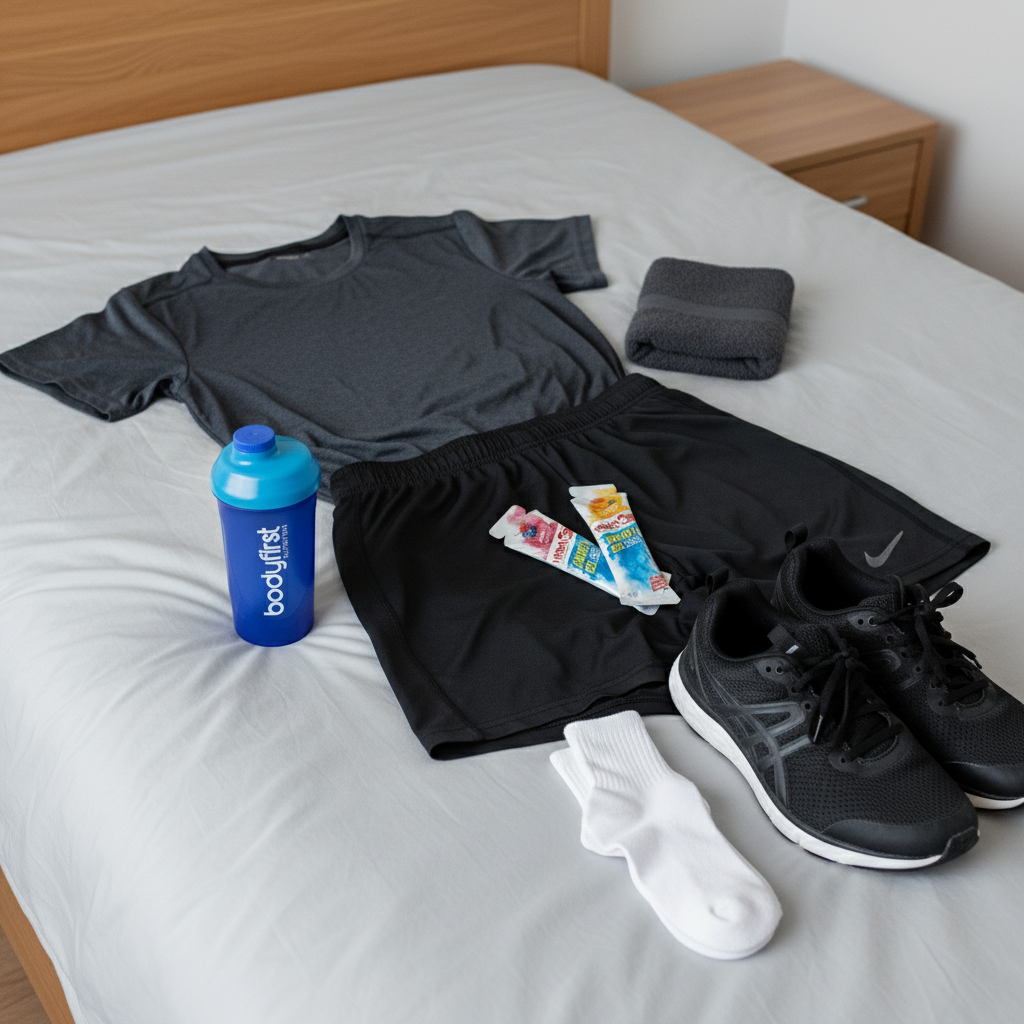
8. Leave Your Gear Out

Morning gym? Pack your bag the night before.
Evening session? Leave your trainers by the door.

Why: You remove the friction between intention and action.
It’s a tiny step that makes a huge difference in consistency.

Gym gear laid out on a bed with a bodyfirst shaker and energy gels


9. Rest = Part of the Plan

Let’s bust a myth: rest isn’t lazy, it’s essential.
Recovery is when you actually grow, adapt, and get stronger.

Tip: Prioritise sleep, hydration, and downtime — they’re as important as lifting or running.
Top up your hydration with Electrolytes to help you recover faster and perform better next session.


Final Word

Training isn’t about perfection — it’s about showing up.
Set your goal. Sign up. Follow your plan. Track your wins.
And remember: you’re not doing this alone.

Fuel your best with Bodyfirst Nutrition.

Marathon Week Tips: How To Nail Your Dublin Marathon

Marathon Week Tips: How to Nail Your Dublin Marathon

The Dublin Marathon is just around the corner — and whether it’s your first race or your fifth, those last few days can make all the difference.

We asked John Belton for some advice to get you marathon ready. John Belton is a seasoned personal trainer with over 23 years of experience, dedicated to transforming lives through health and fitness. His global journey has seen him coach athletes and individuals worldwide, instilling principles of wellness, strength, and vitality. His endurance feats include conquering some of the world’s toughest ultra marathons in the Arctic Circle and the Amazon, where he secured second place and joined an elite group of only 50 individuals to complete the Beyond The Ultimate Amazon Series.

Here’s everything you need to know to show up confident, prepared, and ready to fuel your best with Bodyfirst Nutrition.

Dublin Marathon runners at the start line – Bodyfirst Nutrition marathon tips


1. Final Days Before the Marathon: Focus on Tapering and Recovery

In the final days before your marathon, it’s all about tapering — easing off your training so your body can recover and store energy for race day. You’re not gaining new fitness now; you’re letting all your training sink in.

  • Keep your runs light and easy — just enough to stay loose.
  • Stretch and mobilize daily to prevent tightness.
  • Prioritize sleep and hydration to give your body the best chance to perform.
  • Visualize your race — imagine your pacing, fueling, and how you’ll handle each section.

For a deeper dive into recovery principles, check out Sport Ireland’s training advice

You’ve done the work — now it’s about trusting your training and arriving fresh on the start line.


2. Race Morning: What to Eat Before the Marathon

Marathon morning is not the time to experiment. Stick with what’s familiar and easy to digest. You want something rich in carbs, moderate in protein, and low in fat and fiber.

Great breakfast options:

  • Oats with honey or banana

  • Toast with peanut butter

  • A plain bagel or rice cakes

Hydrate well, but don’t overdo it — sip water steadily in the hours before the race.
Eat 2–3 hours before start time, and if needed, take a small snack or energy gel about 30–45 minutes before the gun goes off.

Need race-day nutrition support? Explore our Bodyfirst Endurance range for energy gels and electrolyte hydration formulas trusted by Irish runners

Pre-marathon breakfast ideas with oats, banana, and Bodyfirst protein shake


3. After the Marathon: Recover Smart

You’ve crossed the finish line — congrats! ? Now recovery is key.

Right after your race:

  • Keep moving for 10–15 minutes (walk or stretch gently).

  • Rehydrate and refuel with a combo of carbs and protein to aid muscle repair. Studies show that combining carbohydrates and protein post-race aids faster recovery (NCBI Study on Endurance Recovery).

  • Rest well for the next few days, but light activity like walking or swimming will help blood flow and reduce soreness.

When you’re ready to run again, start slow — your body needs time to bounce back. Remember: recovery is where your next performance begins.


 4. Top Tips for the Dublin Marathon

A few last-minute reminders to make your Dublin Marathon experience your best one yet:

Know the course:
Familiarize yourself with the official Dublin Marathon route map so you can plan your pacing

Hydration & fuel:
Stick to your fueling plan. Take gels and water at consistent intervals. Dublin weather can be unpredictable — layer up or wear something easy to shed.

Pacing:
Start conservatively. The first half should feel comfortable; the second half is where you cash in that patience.

Enjoy it:
The crowd support in Dublin is incredible — feed off the energy, smile for the cameras, and celebrate your hard work.

Irish Life Dublin Marathon on X: "The @IrishLife Dublin Marathon, Ireland's largest mass participation endurance event, celebrates the power of community through sport — with tens of thousands of runners, 120 charity


Quick Q&A

If you’re using gels, how many should you take — and when?

Aim for one gel every 30–40 minutes, starting around the 30-minute mark. Don’t wait until you hit the wall — stay ahead of fatigue. For most runners, that’s 4–6 gels for the full marathon.
Always take gels with a few sips of water, and only use gels you’ve practiced with during training.


Any clothing to avoid?

Avoid anything new on race day — this is not the time to test new shoes or gear. Stick to what’s worked during training.
– Skip cotton (it traps sweat and causes chafing).
– Choose light, moisture-wicking fabrics, and remember — you’ll heat up fast, so dress for it being about 10°C warmer than it feels at the start.


Final Word

You’ve put in the miles, the effort, and the discipline. Now it’s time to enjoy the race, soak in the atmosphere, and trust your preparation. Whether it’s your first marathon or your tenth — go out there, stay strong, and fuel your best with Bodyfirst Nutrition.

Select the fields to be shown. Others will be hidden. Drag and drop to rearrange the order.
  • Image
  • SKU
  • Rating
  • Price
  • Stock
  • Availability
  • Add to cart
  • Description
  • Content
  • Weight
  • Dimensions
  • Additional information
Click outside to hide the comparison bar
Compare
Shopping cart close