
Why You Feel More Tired In Winter – And How To Fix It!
WHY YOU FEEL MORE TIRED IN WINTER — AND HOW NUTRITION CAN FIX IT!
A Bodyfirst Nutrition guide to staying energised, motivated, and strong all season.

When winter hits, it feels like someone slowly turns down your body’s energy dial.
Suddenly you’re sleeping more… but still tired.
Training feels heavier.
Motivation drops.
And your usual routine feels harder to stick to.
If this sounds familiar — you’re not alone.
Shorter days, less sunlight, colder temperatures, and changes in daily habits all play a huge part in why your body feels different this time of year. But the good news?
Your nutrition can massively improve how you feel in winter — from mood and motivation to performance and recovery.
Here’s what’s really going on… and how to fix it.
WHY WINTER MAKES YOU FEEL MORE TIRED
1. Less Sunlight = Lower Vitamin D (and Mood Drops)
When sunlight disappears, so does your natural Vitamin D production. Low Vitamin D is linked to:
-
Low energy
-
Mood dips
-
Weaker immunity
-
Slower recovery
This is one of the main reasons people feel sluggish between November–March.
2. Your Body Burns More Energy Staying Warm
Your metabolism increases slightly in the cold — meaning you use more fuel than you think.
If you don’t increase food intake slightly, you can feel drained, hungry, or mentally foggy.
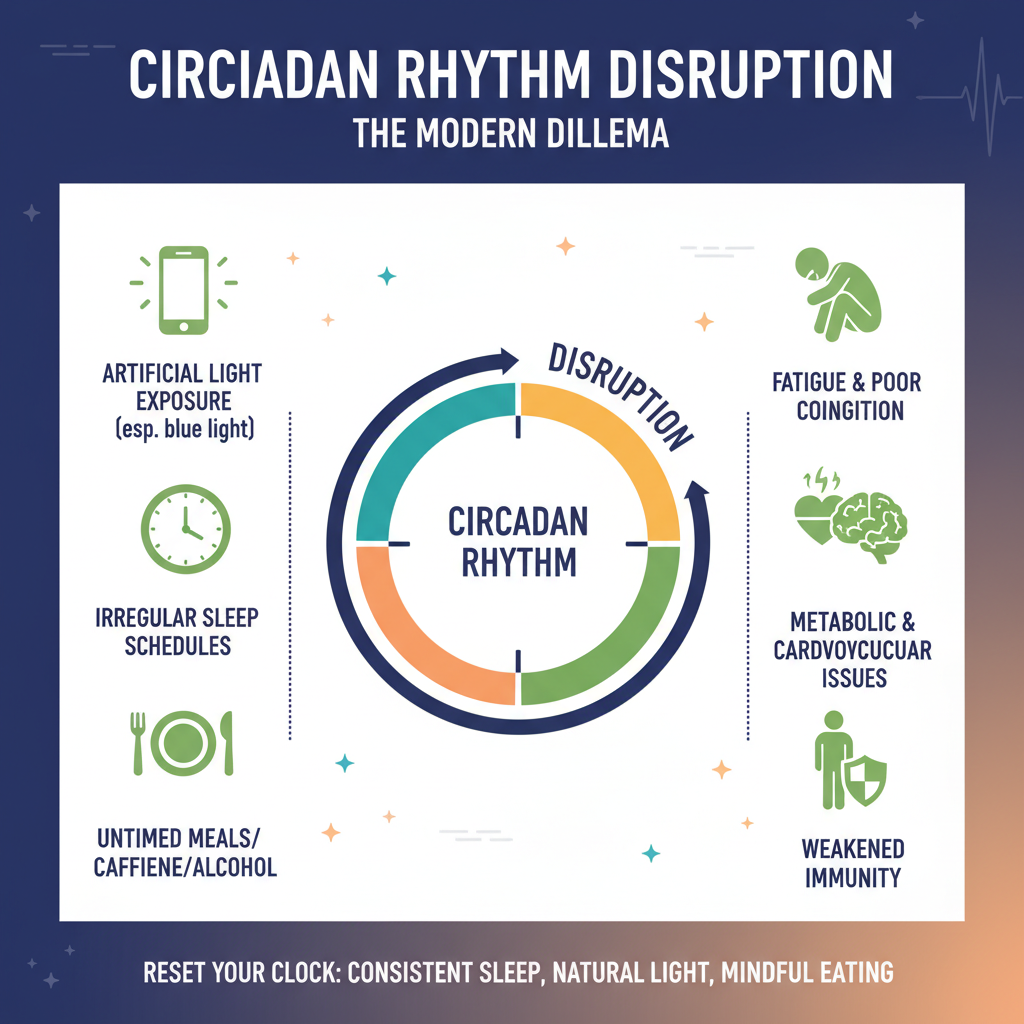
3. Circadian Rhythm Disruption
Dark mornings and early evenings confuse your internal body clock.
This affects:
-
Sleep quality
-
Appetite
-
Hormones
-
Motivation to train
This is why winter feels like a constant “jet lag”.
4. Hydration Drops Without You Realising
People drink far less water in cold weather.
Even mild dehydration reduces:
-
Strength
-
Endurance
-
Focus
-
Mood
-
Recovery
If your winter water intake is lower… you will feel it.
WINTER NUTRITION FIXES THAT ACTUALLY WORK
1. Boost Your Vitamin D Intake
Ireland’s sunlight is nowhere near enough in winter.
Supplementing Vitamin D is a game changer for:
-
Mood
-
Immunity
-
Energy
-
Hormonal health
-
Consistency with training
Bodyfirst Pick: Vitamin D3 + K2 for max absorption.
2. Eat Enough Carbs (You Probably Need More)
Carbs are your body’s preferred energy source — especially in winter when your metabolism is higher.
Carbs help with:
-
Training performance
-
Recovery
-
Mood regulation
-
Nervous system function
Slow-release carbs like oats, potatoes, rice, whole grains, and fruit will keep energy steady.
3. Increase Protein to Support Recovery
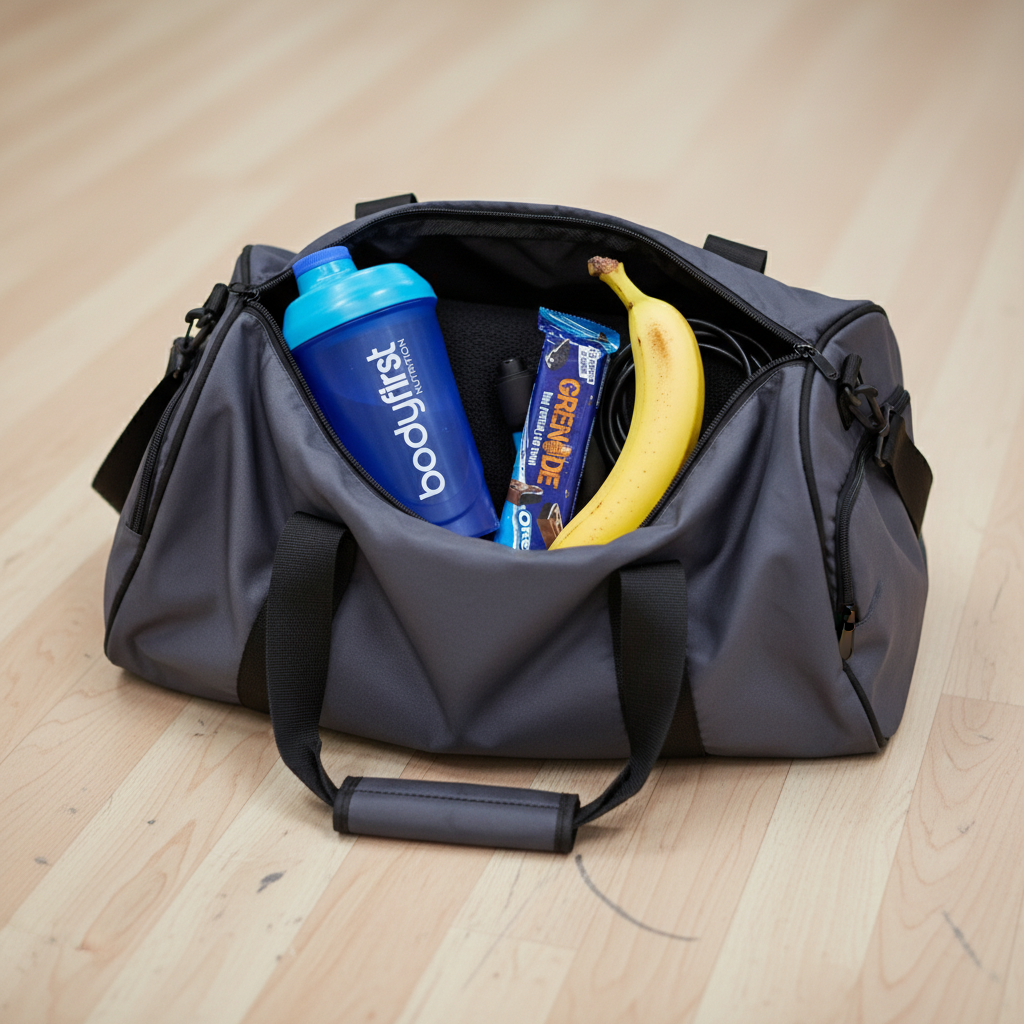
With sleep quality dipping in winter, your body relies on nutrition to repair muscles properly.
Aim for 1.6–2.2g protein per kg bodyweight.
Protein also helps stabilise your mood and appetite — perfect for those long winter days.
Bodyfirst Pick: Whey Protein / Vegan Protein
4. Don’t Forget Electrolytes
Because we sweat less in winter, people stop taking electrolytes — but hydration levels drop too.
Electrolytes improve:
-
Focus
-
Energy
-
Muscle function
-
Headaches
-
Training consistency
Bodyfirst Pick: Electrolyte powders with sodium, potassium, magnesium.
5. Creatine for Strength, Mood & Energy
Creatine isn’t just for lifting — it supports brain energy, cognition, and mood regulation.
Winter training feels easier when your body has a stable energy base.
Daily dose: 3–5g every day.
6. Eat More Colour — Your Immune System Will Thank You
Bright fruits and vegetables contain antioxidants that fight winter inflammation.
Add:
-
Berries
-
Peppers
-
Kiwi
-
Spinach
-
Broccoli
-
Citrus fruits
Your body will feel the difference.
TRAINING TIPS TO STAY ENERGISED IN WINTER
1. Keep Workouts Shorter & Higher Intensity (If Needed)
When motivation dips, a 20-minute session is better than nothing.
Consistency beats perfection.
2. Stick to a Routine — Even If It’s Looser
Your brain loves structure during winter.
3. Warm Up Longer
Cold muscles need more time to fire.
FINAL THOUGHT
Winter isn’t the time to give up on your goals — it’s the time to adjust and support your body properly.
With the right nutrition, supplements, and routine, you can feel energised, strong, and focused no matter how dark the days get.
Small changes = big results.
Start today!!